Reversing Damage: How Your Cells Hold the Key to Health
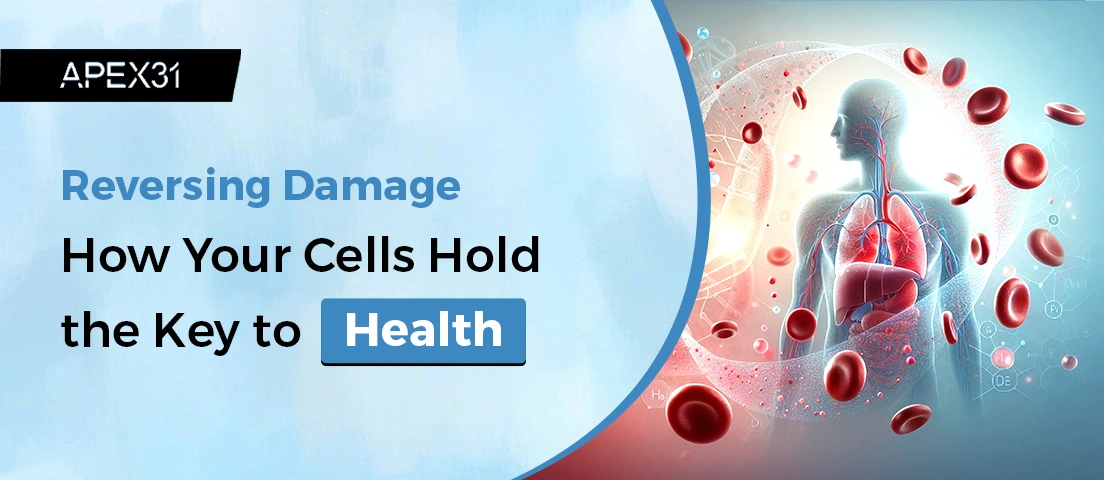
The human body is the most extraordinary system ever created. From the moment a person is born, the human body begins to repair, regenerate, and protect itself. It constantly works hard to heal itself, even when you don’t know. Every second, trillions of cells repair damage, generate energy, and protect you from various diseases.
But what if these cells are stressed or damaged? Well, you will begin to notice health issues. You need cellular health to reverse the damage. Wondering how it is possible? Read this blog post to know.
Role of Cells in Healing and Regeneration
Cells in your body play a critical role in healing and regeneration. During a lifetime, a cell performs various tasks that can support the body’s overall function.
-
Absorbing Essential Nutrients
Cells depend on nutrients such as vitamins, minerals, amino acids, and healthy fats to function properly. These nutrients are like fuel that helps them work properly.
-
Energy Production For The Body
Cells help in converting nutrients into energy that your body uses to perform various tasks on a daily basis. Healthy cells produce energy efficiently, allowing your body to feel fueled.
-
Removing Waste and Toxins
Do you know that cells also play a significant role in detoxification? The main function of cells is to efficiently remove waste and toxins from the body. However, when toxins build up faster than the body can flush them out, it leads to cellular stress.
-
Communicating With Other Cells
Cells send signals to one another, ensuring that your body’s systems, such as the immune system, nervous system, and hormonal system, work together smoothly.
Can Lifestyle Choices Impact Cellular Health?
Yes, cellular health can be affected by daily lifestyle. Your decisions regarding nutrition, hydration, stress levels, sleep time, and exposure to toxins play a crucial role in making or breaking your cellular health.
-
Food You Eat
The food you eat plays a crucial role in your cellular health. If you are eating junk and avoiding nutrient-rich food, then you are surely making a big mistake. It can impact your cellular health.
-
Hydration
Drinking less water, around 1L per day? You are damaging your cells. Make sure to hydrate yourself properly by drinking 3 to 4 litres of water per day to ensure proper hydration required for your cells to work efficiently.
-
Cellular Stress
Cellular stress occurs when your body is overwhelmed by highly processed foods, high-sugar content, sleep deprivation, and environmental toxins. When such stressors are continuously applied to cells, their efficiency begins to decline.
What Is Oxidative Stress and Why Does It Count?
Oxidative stress is the state of excess harmful molecules referred to as “free radicals” and the inability to eliminate them with antioxidants. The process of oxidative stress could be viewed as rusting of cells.
Owing to the fact that metal rusts when exposed to harmful agents over the long term, cells also rot when exposed to an overabundance of toxins, inflammation, and inadequate nutrition.
Oxidative Stress Effects on the Body
In case the oxidative stress grows, a number of adverse outcomes can take place:
- Less energy is generated in the cells
- Increased inflammation
- Slower tissue repair
- Accelerated aging
There is an increased risk of developing chronic diseases.
Can Cellular Damage Be Reversed?
Well, cellular damage is not permanent. Your body continues to replace old cells with new ones, which is helpful to improve your body’s function. It also helps in improving the quality of future cells.
Here’s what you can do to take care of your cellular damage:
Take Care of Your Diet
- Make sure to take care of your diet if you want to reverse the cell damage. It is possible by caloric restriction or intermittent fasting. This ensures that cells use a cleanup process.
- Make sure to eat foods rich in antioxidants, such as berries, leafy greens, and nuts, which can help reduce oxidative stress.
- Add Omega-3 fatty acids to your diet to help reduce inflammation and support membrane health.
- Proper hydration aids detoxification and nutrient transport at the cellular level.
Exercise Regularly
- Make sure to exercise daily, whether regular aerobic or resistance training.
- The DNA repair mechanisms can be improved even by moderate exercise.
Sleep
- Make sure to sleep adequate hours; your body needs to heal. Sleep enables the body to carry out the most essential repair mechanisms.
- Deep sleep helps in clearing metabolic waste, and cells begin to repair effectively.
- If you are dealing with chronic sleep deprivation, it can boost cellular aging.
Reduce Stress
- Chronic stress may interfere with cellular communication as well as hormonal equilibrium.
- Cellular stress can be reduced by restricting processed food items, alcohol, and environmental toxins
Let Your Body Do What It Was Designed To Do
Since the day you were born, your body has been falling all over itself in your service. It is always doing its best to make things right again, stabilize, and keep you alive. The trick to improved health lies not in trying to get the body to heal, but in enabling it to do what it already knows how to do.
When you start paying attention to the food you feed your cells and lessen the load you expose them to, you open one of the best tools of nature, your natural ability to heal yourself. And that journey starts at the tiniest point: your cells.