The Importance of Protein for Emotional Regulation and Brain Health
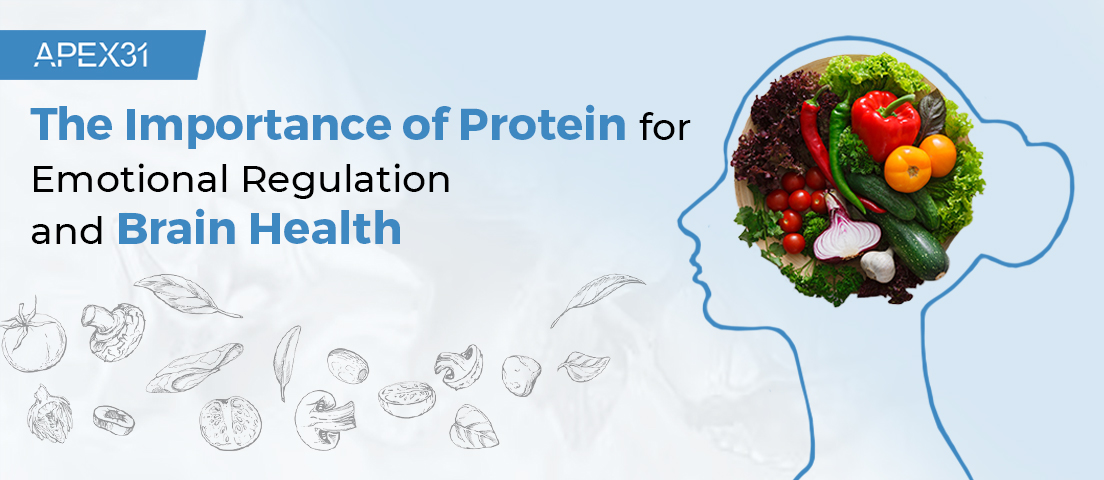
The role of protein is often associated with muscle building, but what if we tell you that’s not the entire truth? Every human needs protein for the healthy functioning of their bodies.
In fact, proteins are the building blocks for different types of molecules present in our bodies. One such molecule is neurotransmitters, which are the chemical messengers that facilitate proper communication between brain cells. These neurotransmitters ultimately influence our emotions, thoughts, and behaviors.
That’s more of the reason protein is so important for emotional regulation and brain health. In this insightful blog post, you’ll learn about why consuming protein is crucial for you. So, let’s begin by understanding the role of protein in the proper functioning of the brain!
Role of Protein in the Brain:
Proteins are essential for the synthesis of neurotransmitters, which are crucial for emotional balance. Alongside this, they provide amino acids that serve as building blocks for brain chemicals.
Key Amino Acids and Their Functions:
There are different types of amino acids made inside the brain. Some of them are as follows:-
Tryptophan:
This amino acid is a precursor to serotonin, a neurotransmitter that stabilizes mood and promotes feelings of well-being. It helps maintain emotional steadiness under pressure.
Tyrosine:
It is a precursor to dopamine, which is vital for focus, motivation, and pleasure. This amino acid supports cognitive function and helps maintain concentration during stressful situations.
Glutamate:
This amino acid acts as an excitatory neurotransmitter, while its counterpart, GABA (gamma-aminobutyric acid), is an inhibitory neurotransmitter. GABA helps to calm the nervous system, reducing anxiety and promoting relaxation.
Consequences of Low Protein
You would be surprised to know that insufficient protein intake leads to a shortage of neurotransmitters, impairing emotional regulation. Moreover, it can lead to increased cortisol production due to stress, keeping the body in a heightened state of alertness (fight-or-flight mode). You can also face difficulty transitioning to the parasympathetic state (rest and digest), leading to feelings of being “wired but tired.” Alongside this, there are also chances of having heightened emotional reactivity and challenges in managing stress effectively.
Physical Effects of Protein Deficiency:
Protein deficiency can lead to impaired maintenance of the brain’s myelin sheath, which protects nerve fibers and ensures efficient signal transmission. Furthermore, you can also face reduced production of enzymes that regulate stress hormones, further impacting the stress responses. Alongside this, if the repair and maintenance of neural networks get compromised, it can affect overall cognitive function and emotional resilience. One of the worst things that you can face is the disruption of the sleep-wake cycle, leading to insomnia or poor sleep quality, which can further impact mood and emotional stability.
Recommended Protein Intake:
You can aim for 30 grams of protein intake in every meal to ensure a consistent supply of amino acids. It will help in maintaining stable neurotransmitter levels, supporting emotional balance throughout the day.
Benefits of Optimal Protein
The right amount of protein intake improves emotional regulation, allowing for better management of stress and anxiety. It promotes a sense of control and calmness, reducing feelings of being overwhelmed. Alongside this, it’ll support cognitive function, enabling clearer thinking and decision-making in challenging situations. Last but not least, it contributes to overall brain health and well-being, fostering resilience against emotional fluctuations.
Unique Features of the APEX31 Program:
1. Specific Attention to Protein Quality:
APEX31 doubles down on the importance of high-quality protein sources, ensuring that the amino acids provided are bioavailable and effective for neurotransmitter synthesis.
2. Focus on Protein Amounts:
We are committed to delivering adequate protein amounts in our formulations, which is essential for maintaining stable neurotransmitter levels and supporting emotional regulation.
3. Holistic Approach:
APEX31’s approach integrates the understanding of how protein impacts not just physical health but also emotional and cognitive well-being, highlighting the interconnectedness of these aspects.
4. Empowerment through Nutrition:
By promoting optimal protein intake, APEX31 empowers individuals to do their bit in maintaining their emotional health and cognitive function, fostering resilience against stress and anxiety.
5. Support for Cognitive Demands:
APEX31’s formulations are designed to support individuals facing cognitive challenges, improving focus and motivation through the inclusion of key amino acids like tyrosine.
6. Promotion of Relaxation:
By ensuring the presence of proteins that contribute to GABA synthesis, we’ll aid you in calming the nervous system, which is crucial for reducing anxiety and promoting relaxation.
7. Advocacy for Consistent Protein Intake:
We, at APEX31, recommend a specific protein intake strategy (30 grams per meal) to help maintain stable neurotransmitter levels throughout the day. It is a proactive approach to maintaining your emotional health.
Benefits of Optimal Protein
By focusing on optimal protein quality and amounts, we at APEX31 improve emotional regulation, allowing individuals to better manage stress and anxiety. The benefits include:
- A greater sense of control and calmness, reducing feelings of being overwhelmed.
- Improved cognitive function, leading to clearer thinking and better decision-making.
- Better brain health and resilience against emotional fluctuations.
We’ll ensure that you have a high-quality protein intake. It’s crucial for maintaining emotional balance and supporting brain health.
By providing adequate protein consumption, APEX31 empowers individuals to cope with stress more effectively. Alongside this, it’ll improve focus and promote a stable mood throughout their daily lives.
This holistic approach underscores the importance of consuming protein in fostering emotional well-being and cognitive resilience.
Brace Yourself for the Reality About Consuming Sugar
The effects on brain health from inadequate protein and excessive sugar consumption illustrate the devastating impact of the typical American diet. It jeopardizes cognitive function, fuels mood disorders, and accelerates the decline of mental clarity, leaving a generation vulnerable to irreversible damage.
1. Cognitive Decline:
Increased sugar intake raises the risk of cognitive decline and dementia, while insufficient protein accelerates this deterioration.
2. Memory Impairment:
High sugar negatively impacts memory and learning abilities, compounded by low protein, which hampers cognitive function.
3. Mood Swings:
Sugar-induced fluctuations in blood sugar levels lead to mood swings and irritability, with poor nutrition further fueling anxiety and depression.
4. Addiction-like Effects:
Sugar triggers dopamine release, fostering cravings and addictive behaviors, while inadequate protein can worsen these imbalances.
5. Inflammation:
High-sugar diets promote brain inflammation linked to neurological disorders, worsened by low protein intake.
6. Increased Risk of Depression:
Studies correlate high sugar consumption with an increased risk of depression, further intensified by inadequate protein.
7. Impaired Neurogenesis:
Excessive sugar hinders the growth of new neurons, while a lack of protein stunts overall brain health and development.
8. Altered Brain Function:
Sugar disrupts normal brain function, affecting decision-making and impulse control, with low protein compounding these effects.
9. Increased Risk of Stroke:
High sugar intake raises the risk of stroke, which can severely impact brain health, especially in those with inadequate protein.
10. Impact on Gut-Brain Axis:
High sugar alters gut microbiota, negatively influencing brain health, while low protein can further disrupt this connection.
11. Potential for Neurodegenerative Diseases:
Long-term high sugar consumption increases degenerative diseases like Alzheimer’s, caused by low protein levels.
12. Decreased Energy Levels:
Sugar leads to energy crashes that impair brain function and productivity, while inadequate protein fails to provide sustained energy.
13. Impaired Sleep:
High sugar intake disrupts sleep patterns, impacting brain health, with low protein further compromising restorative sleep.
14. Oxidative Stress:
Sugar increases oxidative stress in the brain, contributing to cellular damage, while low protein fails to provide necessary antioxidants.
15. Hormonal Imbalances:
Sugar affects hormones like insulin that play a role in brain health and metabolism, with inadequate protein further disrupting hormonal balance.
16. Weakened Synaptic Function:
Insufficient nutrients impair synaptic health and communication, while high sugar consumption increases these deficiencies.
Estimates quantifying the increase in dementia prevalence since 1925:
1. Prevalence in 1925:
In the early 20th century, estimates suggested that dementia (often referred to as senility or similar terms at the time) affected approximately 1-2% of the population aged 65 and older.
2. Current Prevalence:
As of recent estimates, around 10-14% of people aged 65 and older are diagnosed with dementia significantly with age.
3. Percentage Increase:
If we take a conservative estimate of 1% prevalence in 1925 and compare it to a current estimate of 10%, this represents a 1,000% increase in prevalence among the elderly population.
Final Verdict
In conclusion, we’ve discovered that proper protein intake is essential for maintaining emotional balance and supporting brain health. There are many benefits of consuming protein daily as per your body’s requirements. Adequate protein consumption improves stress coping, focus, and mood stability while limiting excessive sugars and carbohydrates is crucial for cognitive function.
APEX31 helps guide individuals to get their optimal health back by providing resources for a balanced diet. By prioritizing protein and controlling sugar intake, we will empower you to lead healthier and more fulfilling lives. Enroll in our program today to claim your fitter self!